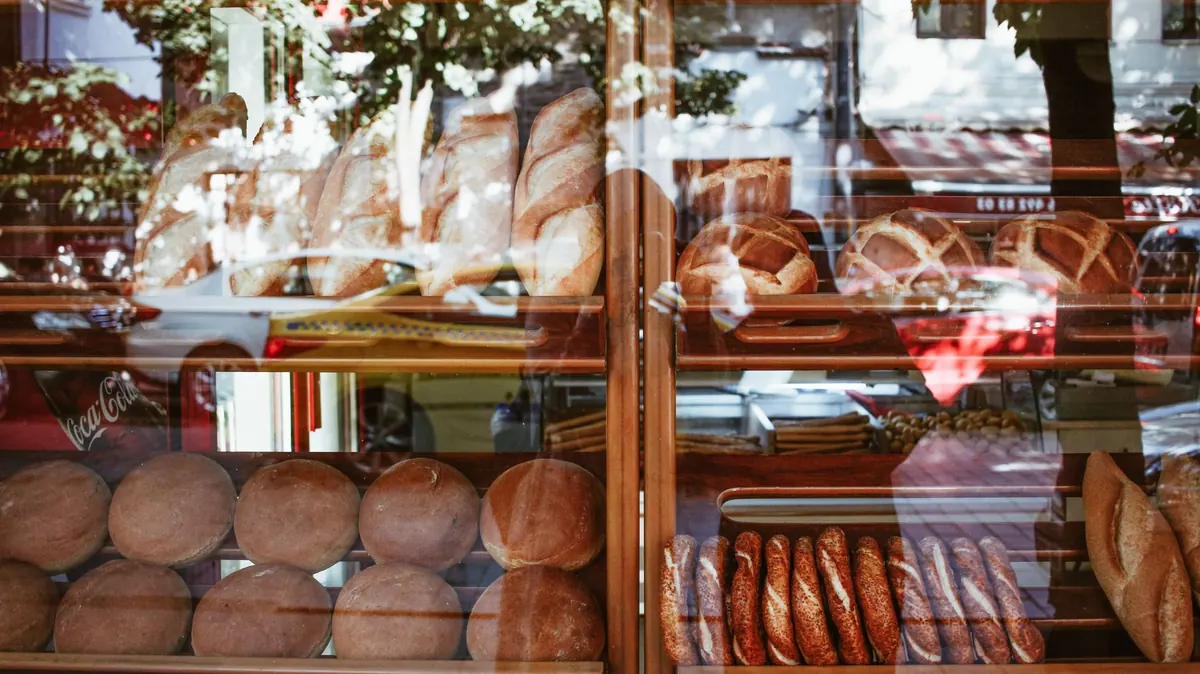
Ask ten Londoners where to buy decent bread and you will get ten answers, each delivered with the conviction of someone defending a close relative. The city's independent bakeries inspire that loyalty because they earn it: small batches, long ferments, and staff who know exactly what came out of the oven an hour ago. What follows favours places that bake on site, sell what they make that day, and reward a little planning. It is not a ranking, and it is not complete. Treat it instead as a set of directions: start with the loaf, follow your nose, and let the queue tell you where to stop.
One warning before you set out. London bakery hours are not shop hours. Many sell out by early afternoon, some close on Mondays and Tuesdays, and a few open only on Saturdays. Check before you travel, and if you find a queue, do not assume it is a tourist trap. In this city, the queue is often the most reliable review.
Start in the East: Sourdough and Slow Ferments
East London is where the current wave of British baking gathered pace, and it is still the densest patch on the map.
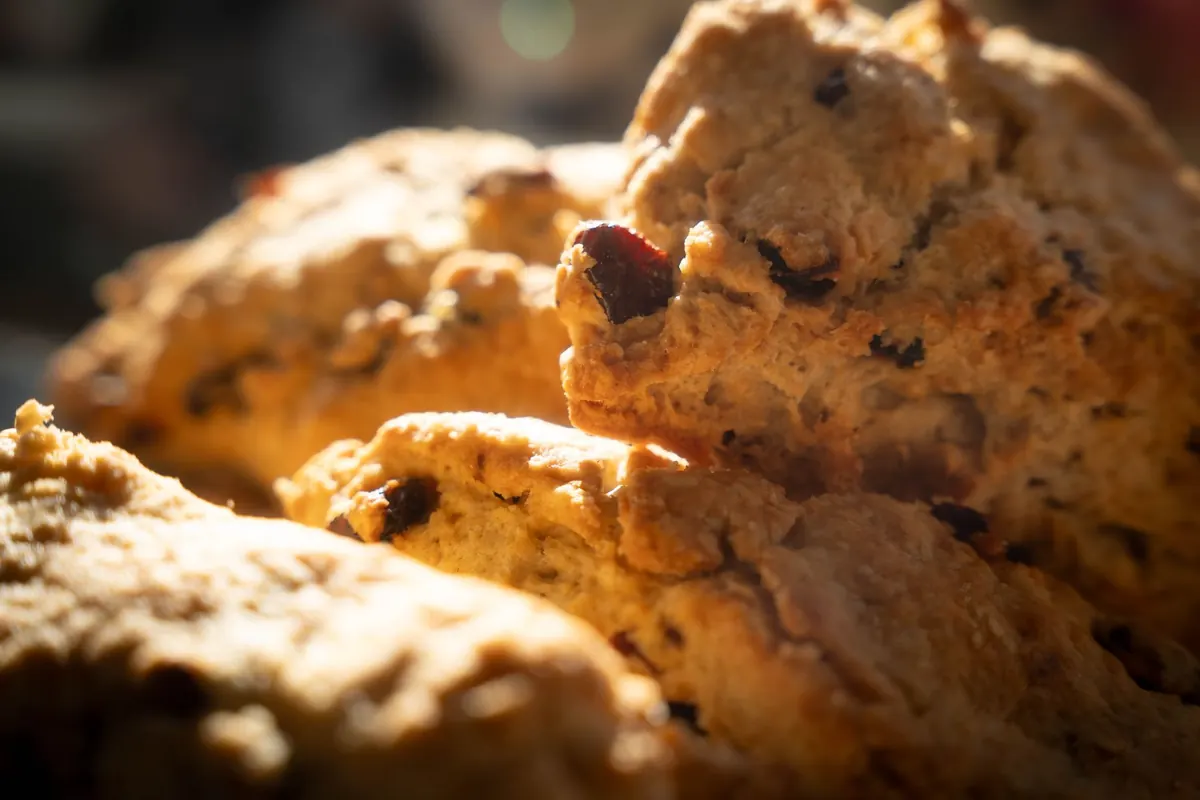
E5 Bakehouse, in the railway arches near London Fields, sets the benchmark. The Hackney sourdough has a dark, blistered crust and a properly sour crumb, and the wholemeal loaves are worth carrying across town. Weekday mornings are calmer; Saturday turns the arch into something closer to a scrum. If you are new to the place, ask for a slice of the day's bread while you wait for your coffee — the staff are used to it, and it tells you more than any label on the wall.
A few stops away, The Dusty Knuckle began in a shipping container in a Dalston car park and now runs a full bakery with a training programme for young people who have found work hard to come by. The sandwiches are as much of a draw as the bread, and the focaccia has a habit of disappearing before lunch. Pavilion, with shops around Victoria Park and Broadway Market, is the reliable choice for a croissant and a coffee on a park bench. Its loaves are unfussy and good, but the real pleasure is the neighbourhood feel: regulars, dogs, and someone always reading the paper in the corner.
Borough and Bermondsey: Butter, Custard and Doughnuts
Borough Market is busy and always will be, but the bakery counters justify the elbow work. Bread Ahead runs a baking school above its stall and is best known for doughnuts filled while you wait. The sea salt caramel is the one people talk about, but the plain jam is often better — sharper, less sweet, and gone in three bites. St JOHN Bakery, with a stall in the market and a bakery in Bermondsey, has built a following on doughnuts and custard tarts that are worth the trip on their own. The custard tart is the real test: nutmeg on top, a wobble in the middle, and pastry that shatters rather than bends.
Then head east. On Saturday mornings the Spa Terminus arches in Bermondsey open to the public, with small producers selling bread, cheese, coffee and charcuterie from the units where they actually work. It is the closest London gets to a working food quarter, and it makes a pleasant walk from London Bridge. Arrive before ten if you want first pick, and bring a bag that can take a loaf without squashing it.
Pastry Shops Worth Queueing For
Laminated pastry in London has improved beyond recognition over the past decade, largely because a handful of small kitchens decided to treat the croissant as a craft rather than a delivery item.
Pophams, with shops in Islington and London Fields, is the obvious place to start: deeply caramelised shells and fillings that shift with the seasons. Arôme, near Covent Garden and in Marylebone, leans French, and its honey butter toast has a following that borders on devotion. Aux Pains de Papy, in King's Cross, is a good bet for a straightforward croissant and a properly baked pain au chocolat. None of these places are secrets, but they are popular for a reason: the lamination is clean, the butter tastes like butter, and the bake is even from first batch to last.
A word on timing. Pastry counters do their best work before eleven and their worst after three. Go early, and accept that the queue moves faster than it looks.
“A croissant should shatter, not squish,” one baker told me. “If it bends like a mattress, it is not finished.”
Signs of a good pastry counter
- Pastries come out in batches through the morning, rather than being stacked once at dawn.
- The lamination is visible when you tear it — distinct, papery layers instead of one spongy crumb.
- Staff can tell you what has just come out and what is nearly gone.
- There is a plain croissant on the counter. If a bakery cannot do the simple thing well, the elaborate ones rarely rescue it.
- The counter smells of butter and yeast, not just sugar and hot air.
North London Neighbourhood Bakeries
Jolene in Newington Green works as both bakery and restaurant, which sounds like a compromise and is not. Bread and pastries go over the counter during the day; the kitchen does the rest in the evening. It is the sort of place where you go for a loaf and end up staying for lunch. The bread is excellent, but the real pleasure is how naturally the two halves fit together — a bakery that happens to cook, rather than a restaurant with a bread counter attached.
Dunn's in Crouch End is the other sort of bakery entirely — a family shop that has served the same streets for generations, with a display that has barely changed and does not need to. For cakes rather than bread, Violet in Hackney is a small, precise operation that has quietly become one of the best in the city. Its cupcakes and seasonal cakes are made with a care that makes the ordinary seem worth celebrating. If you are nearby on a Saturday, go early; the best things do not linger.
British Classics and the Old Family Shops
Not every excellent London bakery is chasing sourdough and laminated pastry. Some of the most useful are the old family shops where the smell of yeast and sugar has soaked into the walls, and where the rhythm of the day has not changed for decades. Rinkoff in Whitechapel has been baking since 1911, and its counters still hold the sort of bread, cakes and pastries that feed a neighbourhood rather than a food blog. It is not precious. It is simply good at what it does.
On Brick Lane, Beigel Bake is an institution for a reason: boiled, baked and filled around the clock, with salt beef and mustard that has seen off countless imitators. It is not a place for a leisurely brunch, and that is part of the appeal. You order, you pay, you eat standing up, and you understand why the queue never really stops.
South London and Beyond: Where Locals Actually Shop
South London's bakeries are often smaller and less hyped than their eastern cousins, which makes them worth seeking out. Brick House Bakery in Herne Hill has a neighbourhood following built on sourdough, pastries and a rotating menu that follows the seasons. It is the kind of place where the staff know the regulars by name and the bread is sold from a counter that feels more like a village shop than a destination.
The Old Post Office Bakery in Clapham is another long-standing favourite, organic and quietly serious about flour, fermentation and slow baking. Its loaves have a depth of flavour that rewards keeping a slice for toast the next day. Further out, the same pattern holds: small bakeries attached to the communities they serve, often open early, often closed by mid-afternoon, and almost always better than the supermarket loaf.
How to Buy Bread Like a Local
- Go early, but not too early. The first batch may still be cooling. The sweet spot is usually mid-morning, when the shelves are full and the queue has not yet become a fixture.
- Ask what is coming out. Staff will tell you if a favourite is nearly gone or if something better is about to land on the counter.
- Buy what is in front of you. A bakery is not a restaurant. If the loaf you wanted has sold out, take the one they recommend instead. It is usually the one they eat themselves.
- Bring a bag. A good loaf needs air, not plastic, and a paper bag or cloth wrap will keep the crust in better shape on the way home.
- Freeze properly. If you buy more than you can eat in a day, slice it first, then freeze. Toast from frozen, and you will not lose the crust.
None of this is complicated, but it does require a small shift in habit. London's independent bakeries are not convenience stores. They are places with rhythms, limits and a point of view. Go with a little patience, buy what is good that day, and you will understand why ten Londoners give ten different answers — and why every one of them is certain they are right.
Photo: hissetmehurriyeti / Pexels